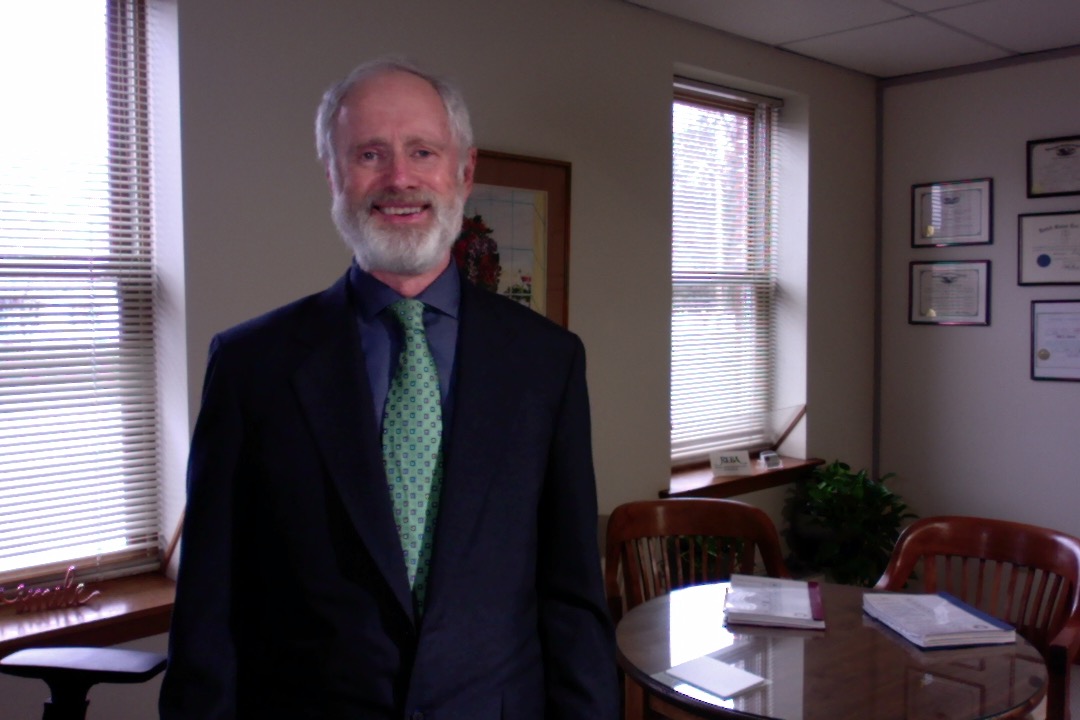
 Planning to preserve your assets and protect your quality of life.
For people who need Medicaid eligibility now, or may need eligibility in the future, we work with all the available resources. My clients value the ability to control expenses, and manage their circumstances.
 Schedule an Educational Meeting to learng about planning services that cover your specific needs. The three step Service Plan leads us through the process of obtaining Medicaid eligibility (and payment from other programs if you are eligibile) to cover the cost of long term care:
1) identifying options
2) carrying out the plan, and
3) obtaining Medicaid coverage for long term care.
The Service Plan is designed to give you peace of mind with understanding of all options for eligibility, so you receive the best possible elder care in the least restrictive setting. Most people are in one of these planning levels:
 Advance Planning when you are in good health, and there is no imminent need for Medicaid eligibility gives you the greatest number of options. I explain how your Will, your Power of Attorney and your Health Care Proxy can be coordinated, and discuss the options for asset protection such as Trusts and transfers to exempt individuals. When preparing a Will or Trust document, the intent of the person who transfers assets must be clear and understandable. We document your intent, to protect you in case Medicaid must review the documents years from now.
Current Planning when you have some health problems and frailty. This situation requires careful coordination of all sources of care and reimbursement: Veterans Benefits, Medicare, and Medicaid programs that pay for At Home Care. Protecting your health and quality of life now helps avoid the need for nursing home coverage within the 5 year look back period. Avoiding a nursing home admission is the highest priority for most people. But procrastination can sometimes stop a person from solving or preventing problems that lead to the nursing home door. Our services are set up so that you can begin basic planning today, and then continue with other steps as you become comfortable with the first steps that you have taken.
Crisis Planning is for people who need nursing home care now. It's never too late to solve problems, protect life savings, and set aside funds for a loved one who must be admitted to a nursing home. Time is valuable. Life is in transition when an immediate need for nursing home care arises. It can be a time of uncertainty and vulnerability. You may feel overwhelmed or uncertain about what to do next. There are many ways that families can work with physicians, companion services, support groups, and other professional providers to restore your peace of mind.
A step - by - step approach helps you and your family obtain the elder care services you need now, or plan for benefits eligibility in the future.
You can avoid costly delays and mistakes by planning today. Before taking the first step, we discuss:
how you want to manage and control assets, if you become incapacitated during your lifetime;
who will handle health care decisions if you are unable to;
whether you want to transfer assets during your lifetime;
what brings you peace of mind, including whether you want to protect assets from creditors and provide for family members.
I will answer your questions about what's possible, what's not possible, and explain:
how home care can fit with your long term care planning;
which benefit programs are available to help you pay for home care;
whether long term care insurance is available to protect you;
the differences between your private health insurance, Medicare and Medicaid coverage.
Call (413) 567-5600 if you would like independent advice and counsel on all sources of coverage, including Medicaid coverage for nursing home care. Click to Schedule a Discovery Meeting.
 Would Medicaid take our house?
Will Medicaid allow gifting to grand children to reduce assets? My mom recently had an annuity that matured and she elected to cash it out and give it to her two grandchildren. Recently she fell and is not able to care for her self ...
