Medicaid Planning preserves assets, and protects quality of life.
Client Review: Medicaid application filed in 1 week. The application was approved, retroactive 
"Every day of lost eligibility can cost $300 or more. A month of lost eligibility costs more than $9,000. Daily cost of a nursing home. Medicaid covers nursing home care and can also pay for care at home. I can protect your assets and quality of life as we take the steps you need to obtain Medicaid eligibilty.
Client Review: Attorney Roberts prepared my Mother's Medicaid application which allowed my father to keep all income.
Medicaid eligibility requires awareness of a 5 year time frame leading to the date your application is filed. If you made gift transfers during the previous five years, and need access to Medicaid nursing home coverage now, we can cure and resolve those transfers.
Beyond eligibilty for Medicaid, we must also look forward with an awarenesss of Estate Recovery regulations that could lien your estate if you don't plan to avoid Probate.
The shock experienced by people who failed to plan ahead prompted MassHealth to issue regulations that protect 1) small probate estates, 2) some low income family members, and 3) people who provided elder care. Click for more about Estate Recovery.
Since these waivers are limited, the best protection is to plan avoid probate. I review your income, assets and your care needs, to protect your assets, health and safety. This video explains how two Massachusetts families were swept into MassHealth Estate Recovery. In the Kendall case, MassHealth missed a probate deadline and couldn’t collect.
Read: Estate of Jacqueline Ann Kendall | Docket
Will Medicaid Count Your IRA or Pension Plan Against You, if You Need Long Term Care? In Massachusetts, the answer may be "YES."
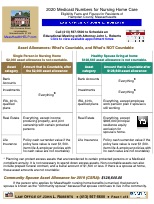


We have many options for married couples when one spouse needs Medicaid to pay for nursing home care. A MassHealth Compliant annuity is one Medicaid Planning option:
 Medicaid Nursing Home Care Coverage Figures explains Community Spouse Asset Allowance, Minimum Monthly Maintenance Needs Allowance principal residence equity allowance.
map through the maze has examples of exceptions to Medicaid transfer regulations
Effective April 2023 MassHealth will use IRS life expectancy tables when calculating the value of a Life Estate owned by nursing home applicant. Calculation of the values of Life Estate and Remainder Owner Shares for Medicaid Eligibility Purposes match the IRS method for calculating income tax (if there is a capital gain) using the IRS Section 7520 Interest Rate. Links to the MassHealth memo and the IRS Tables are in the sidebar on this page (or at the bottom of this page for mobile viewers)
Gifts and asset transfers you make today will have to be reported if you apply for Medicaid during the next five years. If the transfer does not fit within the regulations, you will be disqualified for the value of the gift transfers. But there are many exceptions to the Medicaid transfer rules, and many ways to work with the regulations to obtain eligibility. In Look Back Period: Massachusetts Medicaid Part 1, a nursing home resident tried to fix a broken trust that owned the family home that was transferred to the trust many years earlier. Judges said the trust repair was a disqualifying transfer:
Read: Needham v. Office of Medicaid
Permissible Transfers: Part 2 Massachusetts Medicaid explains some of the "permissible transfers" allowed under MassHealth regulations:
Whether you need Advance Planning, Current Planning, or Crisis Planning, I provide the services you need for Medicaid coverage. Call me to schedule a Discovery Meeting if you want to preserve assets and protect quality of life.